Caffeine — hormonal friend or foe? 🍵
I recently did something I never expected to do – ditched caffeine ☕️
Coffee, matcha, black tea – I'd had caffeine in some form nearly every day for years. The taste, the ritual, the energy it gives, I love it all.
And yet, once day I woke up and thought, what is this actually doing to my body? After a bit of research and a lot of reflection, I came to see that the answer was: nothing good.
I knew I needed to make the shift. And after a few difficult days of headaches and exhaustion (more on easing those symptoms below) – I am so grateful I did.
Now I'm sharing what I learned about how caffeine effects our hormones, why we're so hooked on it in the first place, and tips for a smooth breakup.
Let's get into it.

What caffeine actually does to our bodies 🍵
First, yes, coffee and matcha do have some benefits. Coffee has been shown to have certain cognitive benefits, especially for older people. Matcha is full of beneficial antioxidants and other compounds. And these (and other) caffeinated beverages have been used in various places for centuries.
However – there are downsides, especially with how caffeine is used in our modern context. Anxiety, jitteriness, overstimulation. Blood sugar crashes. Disrupted sleep and digestion. Over time, hormonal issues.
A study from the American Journal of Clinical Nutrition found that even moderate caffeine consumption increases the risk for hormonal conditions in reproductive age women.
Specifically, caffeine has a huge impact on cortisol, our primary stress hormone. Just one cup of coffee can elevate cortisol levels for up to 6 hours. For those of us who are already prone to stress or dealing with other stressors (aka, all of us?), it can be like pouring gas onto an already blazing fire of stress and inflammation.
Chronically elevated cortisol keeps us stuck in fight-or-flight and disrupts our entire hormonal flow. It interferes with our body's ability to produce and balance sex hormones, throws off our blood sugar (hello, energy crashes and cravings), and amps up anxiety.
We also know that caffeine intake can interfere with our absorption of calcium and other important nutrients we need for ovulation and optimal hormonal health (btw, low calcium levels are strongly correlated with increased PMS).
It also perpetuates pain PMS & period symptoms. One study found a significant correlation between caffeine consumption and menstrual pain, likely because it constricts blood vessels and reduces blood flow to the uterus. It also interferes with progesterone—the calming, anti-anxiety hormone that rises in your luteal phase.
I can say from experience that the cycle after I quit caffeine I had the fewest PMS symptoms ever. Low progesterone is linked to heavier, more painful periods. And what depletes progesterone? Chronic stress. What elevates your stress hormones? Caffeine. It's a cycle that just leads to more pain, stress, and exhaustion 🌀
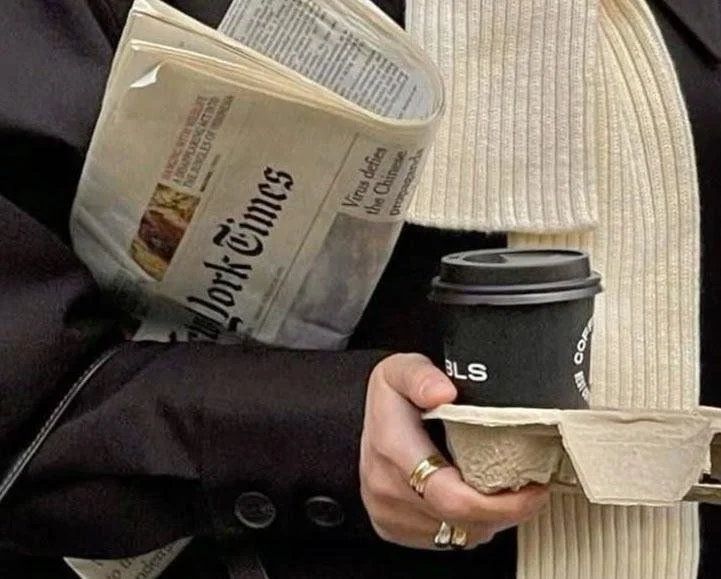
Looking deeper: why are we so hooked?
Most of us started drinking caffeine to keep up with the demands of school or work. To meet deadlines, stay up late enough to finish papers, and wake up in the morning after too little sleep, to do it all over again.
We live in a culture that demands productivity over rest, constant availability over cyclical rhythms, and “optimization” over simply being. Caffeine is a way to force ourselves to meet those demands even when our body is saying “NO.”
For women especially, drinking multiple cups of coffee a day has become normal, even cute. But caffeine is a drug. A central nervous system stimulant. And it comes at a cost.
It's one of the many ways we attempt to bypass the boundaries of our bodies, force ourselves to push past the point of depletion, often without even realizing it. This leaves us burnt out, running on fumes, and out of sync with our natural rhythms.
What is our caffeine consumption covering up? A lack of energy from years of undernourishment? A body unable to keep up with the incessant demands of modern life?
If we were to allow ourselves to operate at the pace of our own energy, what would happen? Perhaps we would get less done. Perhaps we would be less productive. Perhaps we would rest more. Perhaps, that's a good thing.
P.S. we didn't get here on accident. There is much more to this story than can be contained in this newsletter, but daily caffeine consumption in the West (in the way we have it now) started during to the Industrial Revolution, when it was used as a stimulant to keep workers awake despite long hours at the factory (part of the dark history of the spread of coffee and tea).

Tips for a smooth break 💔
I get it – quitting caffeine is hard. Especially if your morning coffee or tea ritual is a source of pleasure for you, especially if it's been a part of your life for a while. But if you're experiencing cramps, PMS, or anxiety…it might be worth a shot to see what life is like on the other side.
If you're ready for a break, here's what can help:
Go slow. Going from 2 cups of coffee per day to nothing can cause withdrawal symptoms like intense headaches, fatigue, and irritability. Tapering down gradually over 2-3 weeks can help. That said, if you're like me and just want a clean break, I can say from experience that I quit all at once and though it was rough for a couple days, I'd do it again.
Time it right. Start your caffeine reduction in your late luteal phase when your energy is lower and you're more internally focused anyway. That way, the worst days of the withdrawal coincide with your period and the energy of release is amplified.
Hydrate! Headaches are the most common withdrawal symptom. Drink more water than you think you need. Add in lots of hydrating teas (peppermint, ginger and rosemary help with headaches). Coconut water and hydrating fruits.
Rest without guilt. Your body is recalibrating and learning to make its own energy again. Let it do its thing.
Nourish well with warm, cozy, nutrient dense meals. Plus lots of fruits and leafy greens!
Dandelion root tea helps your liver detox caffeine, and is grounding and stabilizing.
Magnesium to help with muscle aches, headaches, and sleep. If your mood is the biggest thing, opt for magnesium glycinate. If you rely on coffee for your morning bowel movement and are worried about constipation, opt for magnesium citrate.
Know the struggle is temporary. Most people feel significantly better after the two-week mark. The first week is the hardest.
What to replace it with for a better ritual:
Dandelion root tea with steamed almond milk and honey (Teeccino makes a delicious herbal "coffee" blend) for liver support and grounding
Haldhi Doodh (golden milk) for warmth & anti-inflammatory benefits
Hot chocolate made with cacao (which does contain small amounts of caffeine) and maca (an energizing adaptogen)
If you want a tiny bit of caffeine, try Hojicha — matcha's lesser-known, effortlessly cool cousin. While matcha is made from young shaded green tea leaves, hojicha powder is ground from more mature roasted leaves and stems. This results in a rich, toasty, roasted flavor (kind of like chicory meets cacao), and much less caffeine than matcha.
〰〰〰
This is an excerpt from Notes from the Underworld, my bi-weekly letters on cyclical wellness for your body, spirit, heart & shadow.
Want them in your inbox every new & full moon? Subscribe here.